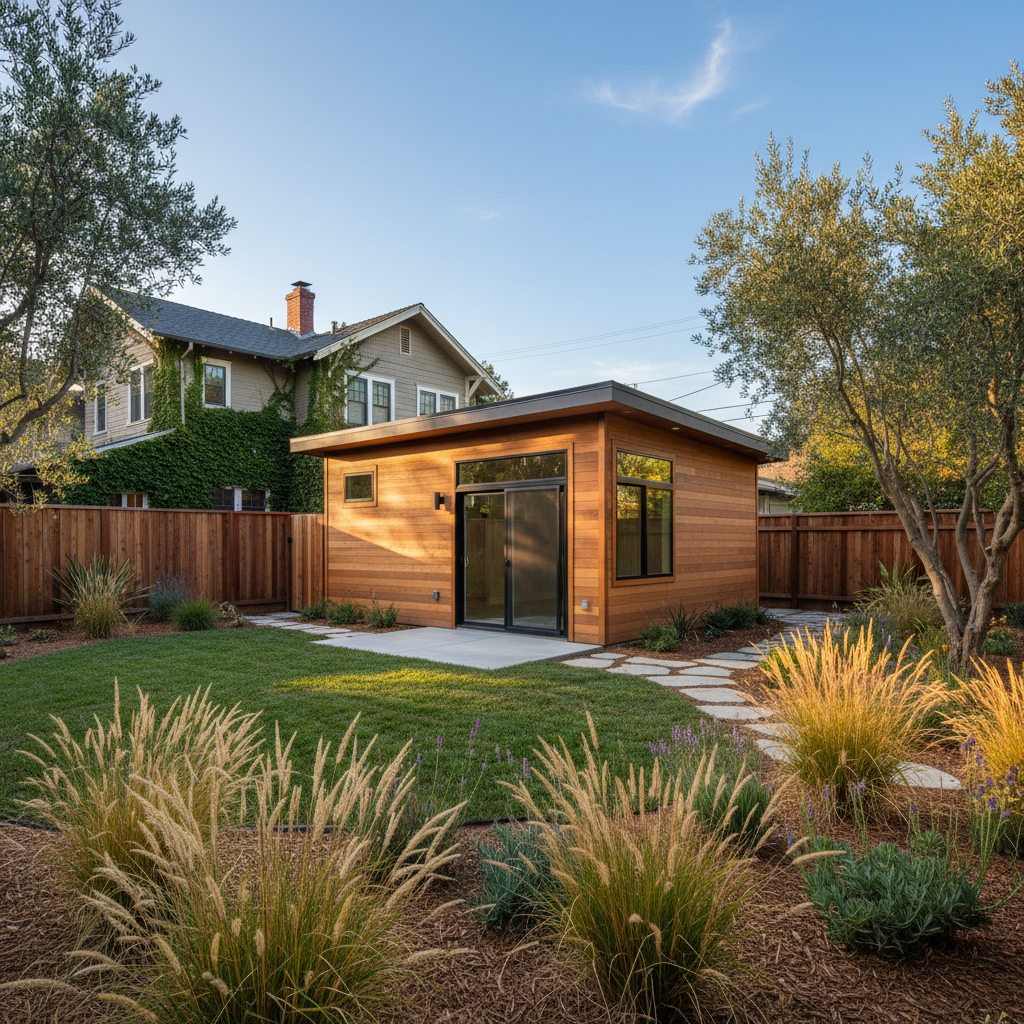
Thinking about building a detached ADU? Or maybe you've already got one? You've probably spent a lot of time on design, permits, and, of course, how much rent you could get. But have you really thought about how Palo Alto's particular climate affects your ADU? I mean, both while you're building it and for its long-term health?
I've been building here for years, and I've seen firsthand how our weather – even though it's pretty mild most of the time – can mess with everything. From pouring the foundation to putting on the final exterior finishes, it all matters. Understanding these seasonal quirks, believe me, can save you a ton of headaches and money down the road.
When's the Best Time to Build Your Detached ADU?
Everyone asks me this. There's no single "perfect" time, but some seasons definitely make the job easier. For a detached ADU, you're doing a lot of work outside: foundations, framing, roofing, exterior siding. So, yeah, weather plays a huge role.
- Spring (March-May): This is often ideal. The ground isn't as soaked from winter rains, and you usually get a nice stretch of dry, moderate weather. Temperatures are comfortable for the crew, and you're less likely to hit major delays because of rain or crazy heat. Getting your foundation poured and the frame up before the summer really kicks in? That's a smart move.
- Summer (June-August): Mostly dry and hot. Perfect for concrete curing and getting lumber dried out. The downside? It can get really hot, especially in July and August. This means crews start earlier, and you've got to make sure they have plenty of water and shade. Dust can also be a bigger issue, but we can usually handle that. The biggest plus is consistent work without rain delays.
- Fall (September-November): This one can be a bit of a mixed bag. Early fall is usually fantastic – warm, dry, and pleasant. But as you get closer to November, you're basically gambling with the start of our rainy season. If you can get your ADU "dried in" (roof and exterior walls up) before the heavy rains, you're golden. Otherwise, you might face some delays.
- Winter (December-February): This is usually the toughest time for new construction, especially when it comes to foundations and framing. Our winter rains, while not constant, can be pretty heavy. Wet soil makes excavation messy and can really slow down foundation work. Concrete doesn't cure as well in cold, damp conditions, and working with wet lumber isn't exactly ideal. It's not impossible, but you'll need to factor in potential delays and maybe slightly higher costs for things like temporary shelters or faster drying methods.
Ultimately, the best time to start is when you've got all your permits in hand and a good contractor lined up. But if you have some flexibility, aiming for a spring or early summer start for a detached ADU often just makes the most sense.
Protecting Your ADU Year-Round: What Palo Alto Weather Means
Once your ADU is built, you want it to last, right? Our climate, while mild, still throws some challenges your way. Here's what I tell my clients at Palo Alto ADU Solutions:
- Rain and Drainage: We don't get as much rain as, say, Seattle, but our winter downpours can be intense. Make sure your ADU's gutters are clear and the downspouts send water away from the foundation. Bad drainage is a silent killer for foundations and can cause moisture problems inside. Check the grading around your ADU every year to make sure water isn't pooling against the siding. This is especially true in areas like Old Palo Alto where some homes sit on flatter lots.
- Sun Exposure: Our summers are sunny. That's great for solar panels, but direct, intense sun can fade exterior paint, degrade sealants, and even warp certain materials over time. Think about using lighter exterior colors, quality paints with UV protection, and maybe even some strategically placed awnings or landscaping to create shade. Regularly inspect the caulking around windows and doors for cracks, too.
- Earthquakes: We live in earthquake country. While you can't prevent them, making sure your ADU is built to current seismic codes is non-negotiable. Regular checks of the foundation for any settling or cracks, especially after a good shake, are a smart idea.
- Pests: Mild weather means pests are active year-round. Keep an eye out for ants, spiders, and especially rodents looking for shelter. Seal any small gaps or cracks in the exterior. Proper landscaping helps a lot – keep bushes trimmed away from the building and avoid wood-to-soil contact.
- Ventilation: Even in mild weather, good ventilation is super important, especially in smaller spaces like ADUs. Make sure exhaust fans in bathrooms and kitchens are working well to prevent moisture buildup, which can lead to mold and mildew.
A little proactive maintenance goes a long way. Think of it like taking care of your car – regular check-ups prevent bigger problems. Your detached ADU is a valuable asset; treating it right means it'll serve you, or your tenants, well for decades to come.