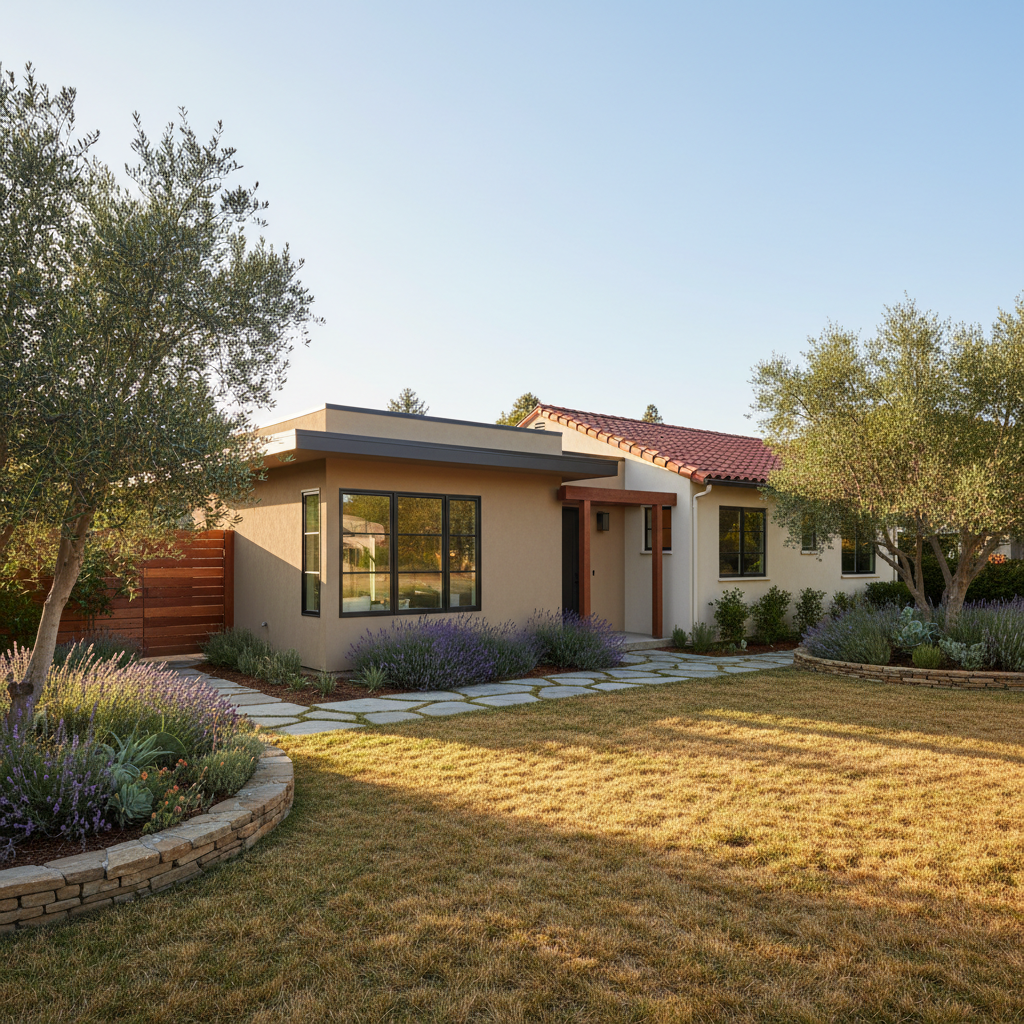
So, you've decided to add an attached ADU to your Palo Alto home. That's a really smart move, whether you're looking for extra space or some rental income. But hold on a second before you dive in. Let's chat about something super important that often gets overlooked: our local weather. It's not just about sunny days and mild temps; we've got specific conditions here that really impact your project and your investment in the long run.
The Best Time to Build Your Attached ADU
Honestly, there isn't one single "perfect" time for every project, but you can definitely make some smart choices. For attached ADUs, especially those where we're breaking into your existing home's structure, I usually suggest starting the major exterior work in late spring or early summer. Why then? Because that's when our weather is driest and most predictable.
Just picture it: we're cutting into your roof or opening up a wall to connect the new structure. You absolutely do not want that exposed to a sudden downpour. Our rainy season, which typically runs from November through March, can bring some serious deluges. If you're pouring a foundation or framing, constant rain can really slow things down, compromise materials if they get too wet, and just generally make for a messier, more complicated job. We've actually seen projects get delayed weeks because of unexpected winter storms, and nobody wants that.
That said, if you're mostly doing interior work or the tie-in is pretty minimal, fall can be a fantastic time too. The ground is still relatively dry from summer, and you avoid the summer heat that can make working outside a bit brutal for the crew. Just keep an eye out for those first rains, okay?
Weather Conditions That Affect Construction
It's not just rain we have to worry about. Here's what else can impact your build:
- Rain: Obvious, right? But it's not just about stopping work. Constant moisture can really affect lumber, drywall, and other materials if they're not properly protected. It can also make excavation tricky, especially in areas with clay soils, which are common around parts of Palo Alto, and get super sticky and hard to work with when wet.
- Wind: We don't get hurricanes, thankfully, but strong winds can be a real pain during framing, roofing, and siding installation. Safety is a huge concern, and high winds can literally blow materials off a partially built structure.
- Heat: While it's less of a direct threat to the structure itself, extreme heat in summer can slow down crews, impact how concrete cures, and make certain tasks like roofing uncomfortable and less efficient.
- Fog/Humidity: This is less common as a major issue, but persistent dampness can affect drying times for paint and sealants.
A good contractor, like us at Palo Alto ADU Solutions, will always factor these things into their planning and scheduling. We'll have tarps, temporary shelters, and contingency plans for weather delays. It's just part of building here, really.
Protecting Your Attached ADU Year-Round
Once your ADU is built, it's an investment you definitely want to protect. Our local climate, while generally mild, still needs some attention:
- Drainage is Key: This is huge, especially for attached units. Make sure the grading around your ADU, and your main house for that matter, directs water away from the foundation. Clogged gutters? Big no-no. Water pooling near the foundation can lead to a whole host of problems, from structural issues to mold.
- Check Your Roof and Gutters: Before and after the rainy season, give your roof a good once-over. Look for missing shingles, cracked flashing, or debris in your gutters. Clear those gutters out! Blocked gutters are a leading cause of water intrusion, believe me.
- Sealant and Caulking: Inspect around windows, doors, and any penetrations (like vents or utility lines). Our dry summers can cause sealants to crack and shrink, creating pathways for water when the rains return. Re-caulk as needed.
- Pest Control: Attached units mean more entry points close to your main home. Our mild climate means pests are active year-round. Keep an eye out for ants, spiders, and rodents trying to find shelter, especially as seasons change. Seal up any small cracks or openings.
- HVAC Maintenance: Your ADU's heating and cooling system will get a workout. Regular filter changes and annual servicing will keep it running efficiently and extend its life.
- Landscaping Near the Foundation: Keep plants and trees trimmed back from the ADU's walls and foundation. Roots can cause damage, and foliage can trap moisture against the siding, leading to rot or pest issues.
Taking these simple, seasonal steps can save you a lot of headaches and money down the road. An attached ADU is a valuable asset, and a little proactive care goes a long way in ensuring it serves you well for decades.