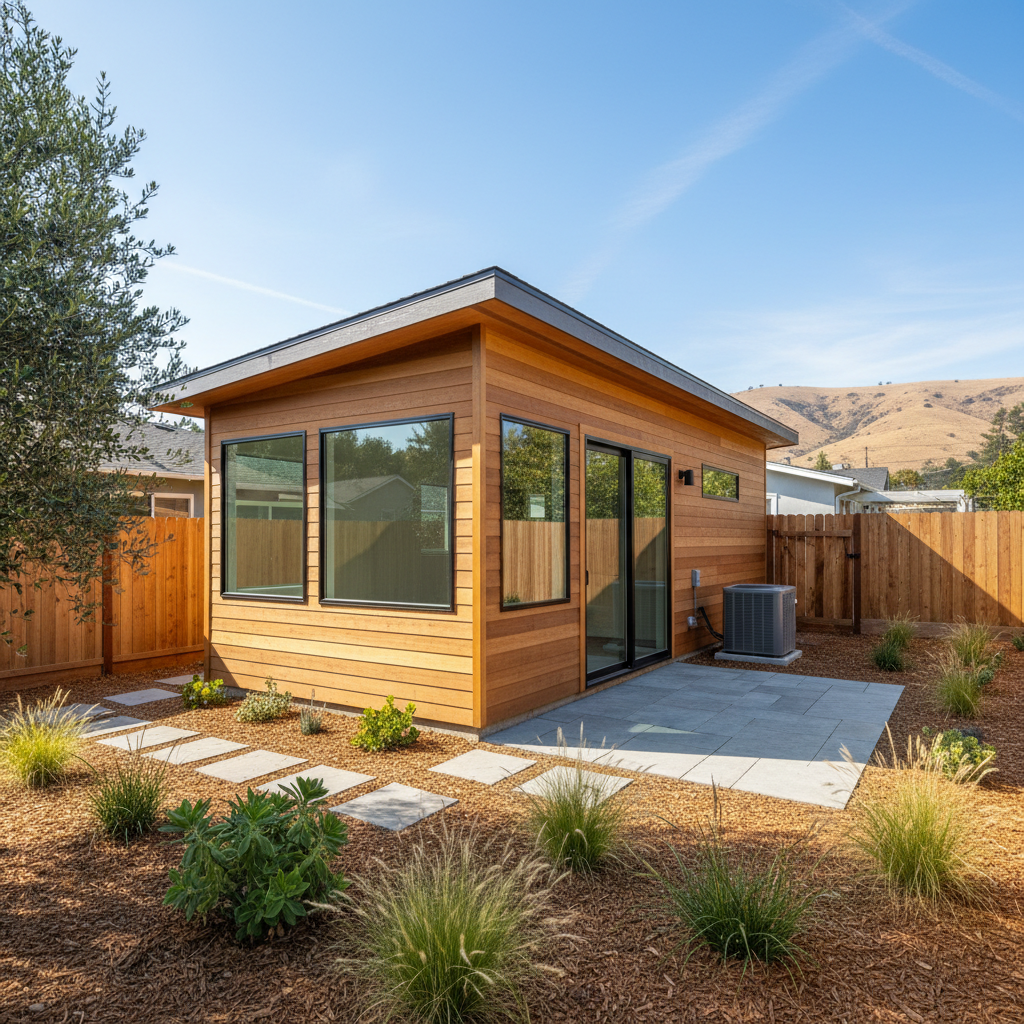
So, you're thinking about adding an attached ADU to your Palo Alto home? That's a really smart move! It's perfect for getting extra space, bringing in some rental income, or making room for family members across generations. But, you know, I've seen plenty of homeowners stumble into some pretty big mistakes. These blunders usually end up costing them time, money, and a whole lot of headaches. Let's talk about what to watch out for, okay? That way, you won't end up kicking yourself later.
Not Checking Out Your Contractor Properly
This is probably the biggest pitfall, honestly. People get all excited, they hear a quote that sounds good, and then they just jump in without doing any real homework. You wouldn't buy a car without looking at reviews, right? Your ADU is a much, much bigger investment. And I'm not just talking about making sure they're licensed – that's just the absolute minimum. You really need to dig deeper.
- References aren't just names: Don't just call the two references your contractor hands you. Ask if you can actually go see a past project. Then, talk to those homeowners. Ask them about how communication went, the timeline, any unexpected problems that popped up, and how the contractor handled those. A good contractor won't have a problem with this, trust me.
- Insurance is a must-have: Seriously, make sure they carry both general liability and workers' compensation insurance. Ask for the certificates directly from their insurance company, not just a copy from the contractor themselves. If someone gets hurt on your property and your contractor isn't properly insured, you could be stuck with the bill. That's a massive risk.
- Experience with ADUs, specifically: Building an ADU, especially one that's attached, isn't the same as just remodeling a kitchen. There are unique permitting rules, specific structural considerations, and tricky utility connections that only apply to ADUs. You want someone who really knows the Palo Alto planning department's quirks and has navigated them before.
- Get everything in writing: And I mean *every* single detail. The scope of work, the materials they'll use, the payment schedule, how change orders will be handled, the warranty, and the completion date. If things are vague, that's where problems start.
Ignoring What Your Current House Can (or Can't) Do
An attached ADU means you're literally connecting it to your main house. You can't just slap an addition on and call it a day. I've seen folks fall in love with a design, only to find out their existing foundation can't handle the new weight without super expensive upgrades. Or maybe their electrical panel is already maxed out, or their sewer line isn't big enough for the extra demand. It happens.
Before you get too deep into designing anything, have a pro check out the bones of your existing home. A good ADU specialist, like us at Palo Alto ADU Solutions, will do this right away. We'll look at the foundation, the framing, the roof structure, and all your utilities. It's way cheaper to find these issues during the planning stage than when walls are open and work has to grind to a halt.
Underestimating the Permitting Process
Palo Alto has its own specific rules, even with the state's ADU laws. While the state has tried to make things easier, you still have to jump through some hoops. Some homeowners think they can just get a set of plans and permits will magically appear. Nope, not quite.
You'll deal with planning review, building permits, possibly tree protection, and maybe even historical review if you live in an older neighborhood like Professorville. It's a process, and it takes time. Trying to cut corners or not understanding the requirements will just lead to delays and rejections. A contractor who really knows the city's specific requirements – things like setback rules or impervious surface limits – can save you months of back-and-forth, truly.
Not Saving for the Unexpected
No construction project, especially one that involves an existing structure, ever goes exactly as planned. You'll open up a wall and find old knob-and-tube wiring, or discover dry rot where you least expect it. Maybe the soil conditions under your proposed foundation need more work than initially thought – that's pretty common with our clay soils here in the Bay Area, actually. These are called 'unforeseen conditions,' and they cost money.
I always tell my clients to have a contingency fund – at least 10-15% of the total project cost – set aside just for these surprises. If you don't use it, fantastic! But if you need it, you won't be scrambling or forced to cut corners on quality just to stay within budget.
Poor Communication with Your Contractor
This really goes both ways. You need to be clear about what you expect, your budget, and what your vision is. And your contractor needs to be upfront about how things are progressing, any challenges, and any potential changes. If you're not getting regular updates or your calls aren't returned, that's a red flag. But if you're not asking questions or speaking up with concerns, well, that's on you.
Set up a clear communication plan right at the start. How often will you meet? How will they share updates? Who's your main point of contact? Good communication keeps misunderstandings from happening and helps the project move along smoothly.
Choosing the Cheapest Bid
I totally get it, everyone wants a good deal. But in construction, the cheapest bid often ends up being the most expensive in the long run. A low bid usually means something's missing: cheaper materials, cutting corners on labor, or an inexperienced crew. Or, they've intentionally underbid to get the job and will then hit you with change orders for every little thing that comes up.
Focus on value, not just the price tag. Compare bids carefully. Do they all include the exact same work and materials? Are their timelines realistic? Ask why one bid is significantly lower or higher than the others. A reputable contractor will be able to clearly explain their pricing.
Building an attached ADU can be an absolutely fantastic investment for your Palo Alto home. Just make sure you go into it with your eyes wide open, do your homework, and team up with professionals who really know their stuff. It'll save you a whole lot of grief down the road.