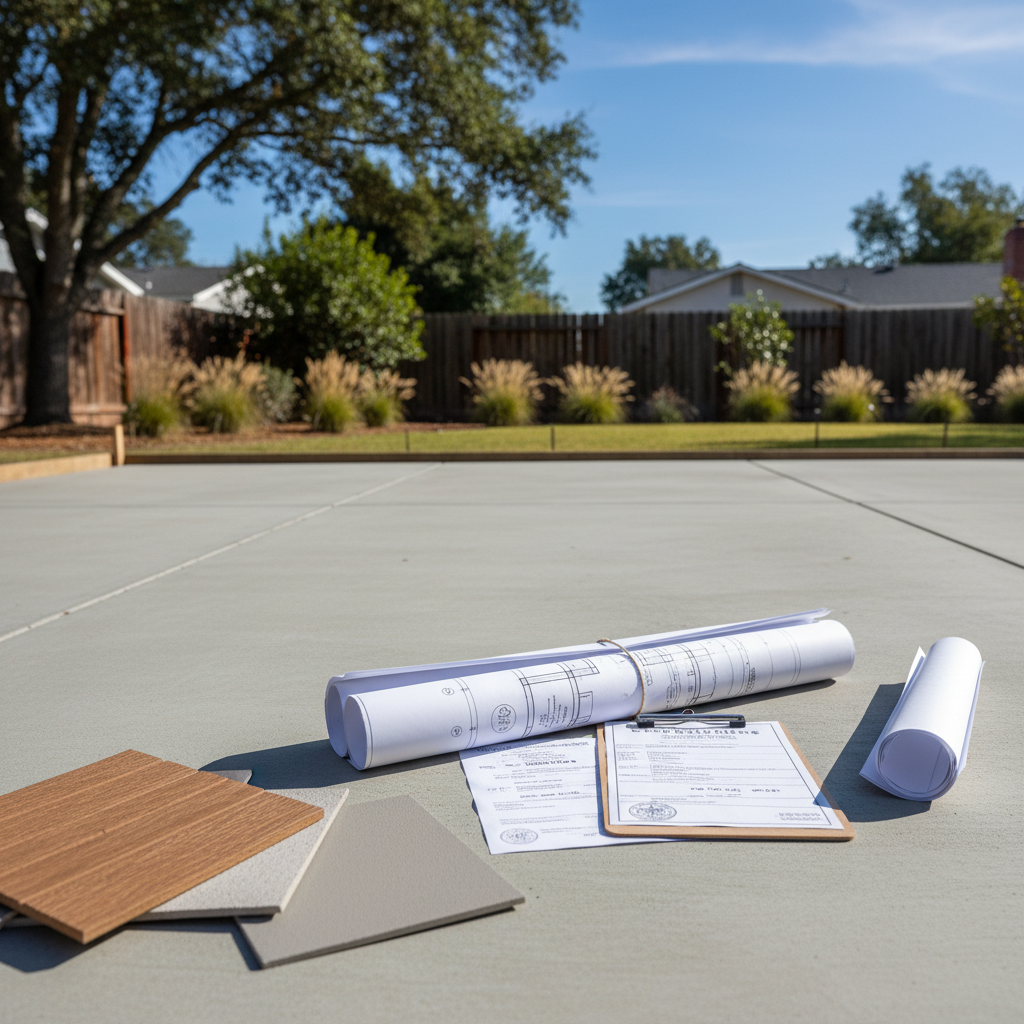
You're thinking about building an ADU, and the first thing that probably comes to mind is, "How do I even get started with permits?" It's a fair question. The permitting process in Palo Alto, like many places, can be a bit of a beast if you don't know what to expect. I've been through it countless times with clients, and I've heard pretty much every question under the sun. So, I figured I'd tackle the most common ones right here, straight up, no fluff.
How long does the ADU permitting process actually take in Palo Alto?
This is probably the number one question, and the answer isn't a simple number. It really depends on a few things: how complex your project is, how complete your initial plans are, and how busy the city planning department is when you submit. Generally speaking, from the moment you submit a complete set of plans to getting that final permit in hand, you're looking at anywhere from 4 to 8 months. I've seen simpler projects zip through in four, especially if they're detached and straightforward. More complex ones, or those requiring variances, can easily push past six months. Don't expect a two-month turnaround; that's just not realistic for Palo Alto. It’s a marathon, not a sprint, so plan accordingly.
Do I need an architect or can I just use a draftsman for my ADU plans?
For most ADU projects in Palo Alto, you're going to need professionally prepared plans. Whether that's an architect or a structural engineer and a good draftsman depends on the complexity and your comfort level. An architect brings a holistic design perspective, ensuring the ADU integrates well with your existing home and property, considering aesthetics, flow, and maximizing space. They're usually more expensive, but for a custom, well-designed space, they're worth it. A draftsman, working under a structural engineer, can handle the technical drawings if you already have a clear vision or are going with a more standard layout. For anything beyond a basic box, or if you're dealing with tricky site conditions like a sloped lot common in areas near the foothills, I'd lean towards an architect. They can anticipate problems and design solutions that a draftsman might miss.
What are the biggest reasons ADU permit applications get rejected or delayed in Palo Alto?
Oh, I've seen a few. The most common issues usually boil down to incomplete plans or not adhering to zoning codes. Here are the big ones:
- Incomplete or conflicting drawings: If your architectural, structural, mechanical, electrical, and plumbing plans don't all line up perfectly, the city will kick it back. Every detail needs to be consistent.
- Zoning violations: Setbacks are a huge one. Palo Alto has specific rules for how close your ADU can be to property lines, and these vary based on lot size and ADU type. If you're off by even a foot, it's a no-go.
- Tree protection: This is a big deal here. If your proposed ADU impacts a protected tree on your property or a neighbor's, you'll need a detailed tree protection plan, and sometimes, even an arborist report. The city is serious about its trees.
- Parking requirements: While many ADUs are exempt from additional parking, there are still situations where it's required. Make sure you understand the current rules.
- Stormwater management: You need to show how you'll manage rainwater runoff, especially with increased impervious surfaces.
The key is to have a thorough, experienced team putting your plans together. They know the city's quirks.
Can I build an ADU if my property is in a flood zone or has other environmental constraints?
Yes, but it's going to be more complicated and potentially more expensive. Palo Alto has areas, especially closer to the Bay, that are in flood zones. If your property falls into one, you'll need to meet specific flood plain regulations, which might include elevating the ADU or using flood-resistant materials. You'll likely need a flood elevation certificate and potentially a more involved engineering review. Other constraints could include liquefaction zones (common in parts of the Bay Area), which require specific foundation designs, or proximity to creeks, which can trigger additional environmental reviews. It's not a deal-breaker, but you absolutely need to know this upfront and factor it into your budget and timeline. Don't try to hide it; the city will find it.
What are the typical fees for an ADU permit in Palo Alto?
Permit fees aren't cheap, and they add up. They're usually based on the square footage of your proposed ADU and can vary depending on the type of construction and the specific services required. You'll have planning review fees, building permit fees, impact fees (like school district fees, park fees, traffic impact fees), and potentially utility connection fees. For a typical ~800 sq ft detached ADU, I've seen total city fees range anywhere from $20,000 to $40,000, sometimes even higher for larger or more complex projects. This doesn't include the cost of preparing the plans themselves. It's a significant chunk of your overall budget, so make sure you've got it accounted for. Your design team should be able to give you a pretty good estimate once the plans are somewhat developed.
Do I need to upgrade my main electrical panel or sewer line for an ADU?
Often, yes, you do. It's not always a given, but it's very common. For electrical, if your existing main panel is old or undersized, adding another living unit will likely push it over capacity. Most new ADUs require a 100-amp subpanel, and if your main service can't handle that, an upgrade is necessary. This can involve trenching and coordination with PG&E, which adds time and cost. For sewer, the city wants to ensure your existing line can handle the increased load. If your sewer lateral is old, undersized, or has known issues, you'll probably be required to upgrade or replace it. Water lines might also need to be upgraded to ensure adequate pressure for both units. These are the kinds of infrastructure costs that homeowners often overlook, but they're critical for a functional ADU and for passing inspections. We at Palo Alto ADU Solutions always assess these early on in the process.
Can I get a permit for an ADU if I plan to rent it short-term (e.g., Airbnb)?
This is a big one, and the short answer for Palo Alto is generally no, not for new ADUs. Palo Alto's regulations are pretty clear: ADUs are intended for long-term rental housing. The city prohibits short-term rentals (less than 30 days) in ADUs. If you're building an ADU with the primary intention of using it as a short-term rental, you're going to run into problems with permitting and potentially face fines down the road. The city's goal with ADUs is to increase the long-term housing stock, not to create more vacation rentals. So, if your plan is Airbnb, you'll need to rethink it or consider a different city with more permissive short-term rental rules, but for Palo Alto, it's a no-go for ADUs.
Look, getting an ADU permitted isn't a walk in the park, but it's definitely doable with the right approach and the right team. Don't get discouraged by the process; just get informed and be prepared. It'll save you a lot of headaches in the long run.