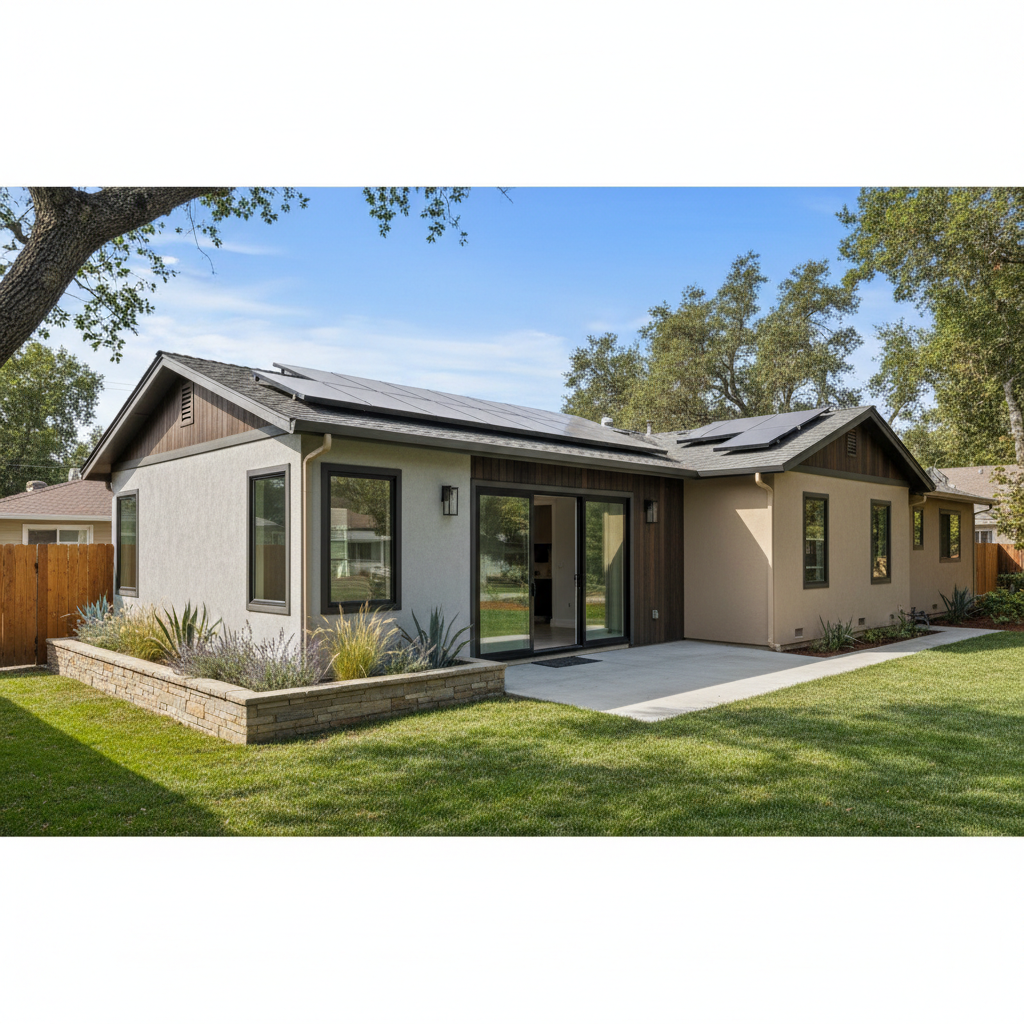
Alright, you've decided to build an ADU. That's a smart move for property value and flexibility here in Palo Alto, isn't it? But now comes the big question: who's actually going to build the thing? Picking the right contractor isn't just about getting a good price; it's about getting a quality build that won't give you headaches down the line. I've seen enough projects go sideways when folks don't do their homework, so let's talk about how to hire smart.
What to Ask Potential Contractors
When you're sitting down with a contractor, remember you're interviewing them, not the other way around. Don't be shy. Here are the non-negotiables, the things you absolutely have to ask:
- "Can you show me your contractor's license and proof of insurance?" This is step one. No license, no insurance? Conversation over, really. Make sure the license is current and for the right classification (usually 'B' for general building). Insurance means liability and workers' comp. You definitely don't want to be on the hook if someone gets hurt on your property.
- "How many ADUs have you built specifically in Palo Alto or similar Bay Area cities?" ADUs have specific rules, and local jurisdictions can vary wildly. Someone who knows the Palo Alto planning department's quirks, like our specific setback requirements or how they handle tree protection during construction, is invaluable.
- "What's your typical project timeline for an ADU of this size?" They should give you a realistic range, breaking it down by permitting, construction, and final inspection. If it sounds too fast, it probably is.
- "Who will be my main point of contact throughout the project?" You need one person you can call with questions, not a rotating cast of characters.
- "Can I speak with a few of your recent ADU clients?" A good contractor will happily provide references. And actually call them! Ask about communication, how they solved problems, if they stayed on budget, and overall satisfaction.
- "How do you handle change orders?" Things can change during a project. A clear process for documenting and pricing changes prevents nasty surprises.
- "What's your payment schedule?" This should be tied to project milestones, not just arbitrary dates. Never pay a huge chunk upfront, by the way.
Decoding the Quote: More Than Just a Number
You'll get quotes, and they'll probably look different. Don't just compare the bottom line. You've got to dig into the details:
- Line-item breakdown: A good quote isn't just one big number. It should itemize costs for demolition, foundation, framing, plumbing, electrical, roofing, finishes, permits, and so on. This helps you understand where your money is going and compare apples to apples.
- Allowances: Many quotes will have 'allowances' for things like flooring, cabinets, or light fixtures. Make sure these allowances are realistic for the quality you expect. If they're too low, you'll be paying more out of pocket later.
- Inclusions and Exclusions: What's included? What's not? Does it cover site cleanup? Landscaping restoration? Utility trenching? You don't want to assume something's covered only to find out it's an extra cost.
- Permit costs: Are these included or will you pay them directly? Be clear about that.
- Warranty: What kind of warranty do they offer on their work? A one-year warranty on labor is pretty standard.
At Palo Alto ADU Solutions, we lay all this out upfront. No hidden fees, no guessing games.
Red Flags to Watch Out For
Trust your gut, but also look for these concrete warning signs:
- Demanding large upfront payments: In California, it's illegal for a contractor to ask for more than 10% of the contract price or $1,000, whichever is less, as a down payment. If they ask for more, run.
- Pushing for cash payments: This is a classic move to avoid taxes and accountability. Don't do it.
- No written contract: A handshake isn't enough for a project this big. Get everything in writing, signed by both parties.
- Unlicensed or uninsured: As I said, this is a deal-breaker.
- High-pressure sales tactics: "Sign today for a discount!" Good contractors don't need to strong-arm you.
- Refusal to provide references or show past work: If they're proud of their work, they'll want to show it off.
- Estimates that are significantly lower than others: While everyone wants a deal, an estimate that's drastically cheaper often means they've missed something, are using inferior materials, or plan to hit you with change orders later.
Verifying Legitimacy
Before you sign anything, do your homework:
- Check their license: Go to the California Contractors State License Board (CSLB) website (cslb.ca.gov). You can look up their license number to confirm it's active, in good standing, and to see if there are any disciplinary actions against them.
- Verify insurance: Ask for a certificate of insurance directly from their insurance carrier, not just a copy from the contractor. This confirms coverage is active.
- Online reviews: Check Yelp, Google Reviews, Houzz, etc. Look for patterns in feedback, both positive and negative. Don't just read the stars; read the comments.
- Better Business Bureau (BBB): See if they're accredited and what their rating is.
- Local reputation: Ask around. Your neighbors, local real estate agents, or even the folks at the building department might have insights. Word-of-mouth is still powerful.
Hiring an ADU contractor is a big decision, and it's worth taking your time. Do your due diligence, ask the tough questions, and don't settle until you feel confident you've found the right team for your project.