What's the real difference between a detached ADU and an attached one?
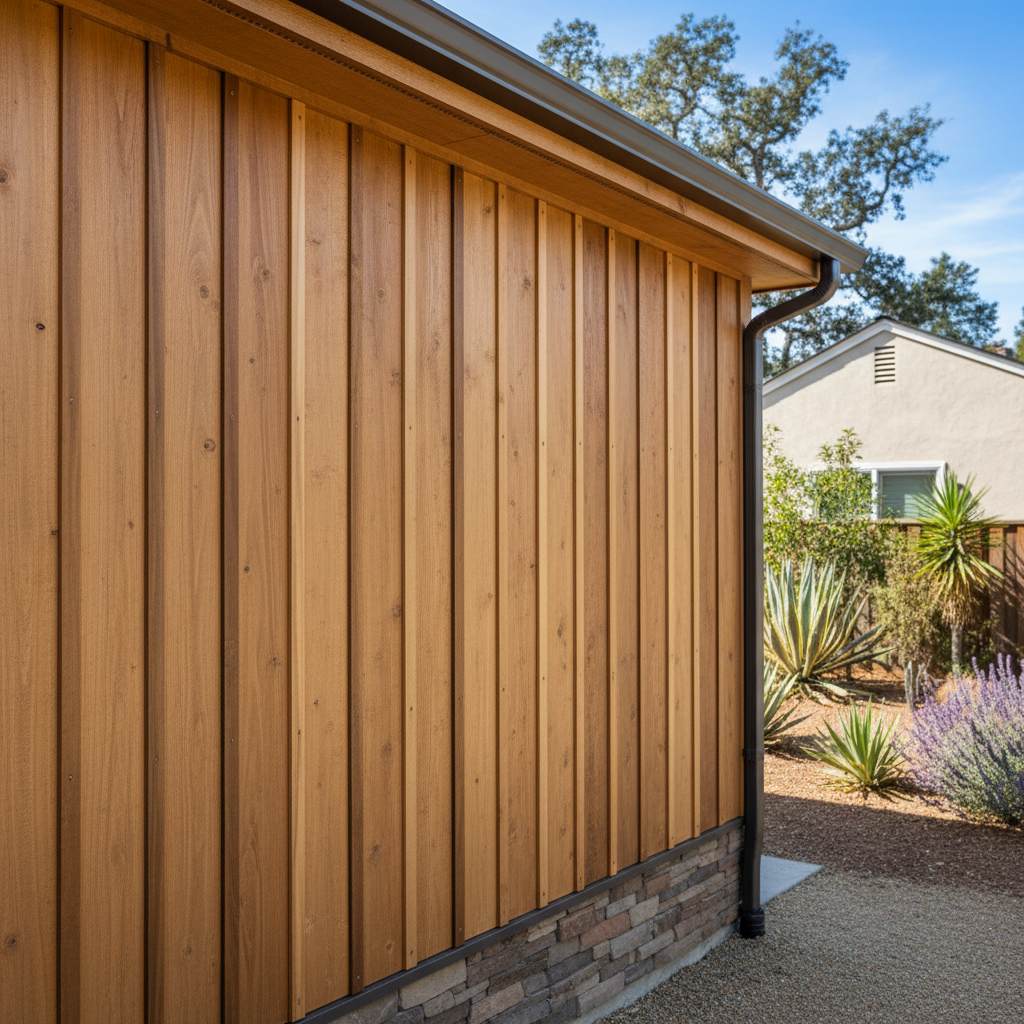
Alright, let's clear this up. A detached ADU stands on its own, a completely separate building on your property. It's got its own foundation, its own walls, its own roof — the whole nine yards. Picture it as a little house in your backyard. An attached ADU, on the flip side, shares a wall with your main home. Maybe it's a garage you converted, or an addition built right onto the house itself. The big difference for you, besides the obvious physical separation, usually boils down to privacy and that feeling of independence. For tenants, a detached unit often feels more like their own place. For you? Less noise bleeding through, and clearer boundaries. From a construction angle, detached units can sometimes be simpler to build because you're not trying to merge new structures with old ones. That can sometimes throw up unexpected challenges with existing foundations or framing, you know?
How much space do I actually need for a detached ADU?
This question comes up a lot, and it’s not just about the building's footprint. You've got to consider setbacks from property lines, your main house, and other structures. Palo Alto has specific rules for this. Generally, you're looking at a minimum of 4 feet from side and rear property lines, and often more from the main dwelling depending on fire separation requirements. You also need to think about access for construction equipment, utility trenches, and future maintenance. Even if you can technically squeeze a 400 sq ft unit into a corner, you might find it feels cramped or really tough to build. I always tell folks to walk their yard and visualize it. Where will the entrance be? Will it block sunlight from your main house or your neighbor's? What about a small patio or greenspace for the ADU occupants? Don't just think about the building; think about the whole living environment. You definitely don't want to end up with a great ADU that makes your backyard feel like an alley.
What are the typical costs for a detached ADU in Palo Alto?
Look, I'm not going to sugarcoat it. Building anything in Palo Alto isn't cheap, and a detached ADU is a big investment. You're looking at a range, but generally, for a quality, site-built detached ADU, you can expect to pay anywhere from $300,000 to $500,000+. This includes everything: design, permits, site work (which can be a huge variable, especially with our clay soils and potential for old utility lines), foundation, framing, finishes, and utility connections. Prefab units can sometimes be a bit less on the construction side, but you still have all the site prep, foundation, utility hookups, and permitting costs. Don't forget about soft costs like architectural plans, engineering, and city fees, which can easily add tens of thousands of dollars. It's crucial to get a detailed breakdown from your contractor and understand what's included. Here at Palo Alto ADU Solutions, we make sure you know exactly where your money's going.
Will a detached ADU add significant value to my property?
Absolutely, yes. A well-built, permitted detached ADU almost always adds significant value to your property in Palo Alto. Think about it: you're adding a completely separate, habitable dwelling unit. That's a huge asset! It provides rental income potential, a space for family, or even a dedicated home office. Buyers in this market are increasingly looking for properties with ADU potential or existing ADUs because of the flexibility they offer. It's not just about the square footage; it's about the functionality and the income stream. While I can't give you an exact appraisal, I've seen firsthand how ADUs can boost property values, often exceeding the cost of construction over time, especially in a desirable area like ours.
What about parking requirements for a detached ADU?
Good news here! For detached ADUs, Palo Alto generally doesn't require extra parking if your ADU is located within a half-mile walking distance of public transit, which covers a lot of our city. Even if it's not, the city often allows for exceptions or reductions, especially if you're replacing a garage. The state has really pushed for relaxed parking requirements to encourage ADU construction. It's a big relief for homeowners, as providing an extra parking spot can be a real headache, especially on smaller lots or in neighborhoods like Old Palo Alto where street parking is already tight. We always double-check the latest city ordinances for your specific address, but generally, parking isn't the hurdle it once was.
How long does the entire process take from start to finish?
This is where patience comes in handy. From initial design to final inspection, you're typically looking at a timeline of 12 to 24 months for a detached ADU. The design phase can take a couple of months, getting your plans just right. Then comes permitting with the City of Palo Alto, which can be a significant chunk of time — expect anywhere from 3 to 6 months, sometimes more if there are complex issues or revisions needed. Once permits are in hand, construction itself usually runs 6 to 10 months, depending on the size, complexity, and weather. Things like unexpected soil conditions or material delays can add time. It's a marathon, not a sprint, but the end result is definitely worth the wait. We keep you informed every step of the way so you know what to expect.
Can I rent out my detached ADU short-term (e.g., Airbnb)?
No, not in Palo Alto. The city's regulations are pretty clear on this: ADUs are intended for long-term rental or for use by family members. Short-term rentals, like those through Airbnb or similar platforms, are generally not permitted for ADUs in Palo Alto. The idea is to increase the long-term housing stock, not to create more tourist accommodations. If you're building an ADU with the primary goal of generating income, you should plan on a traditional lease agreement. This is an important distinction to understand upfront, as it impacts your financial projections and how you plan to use the space.