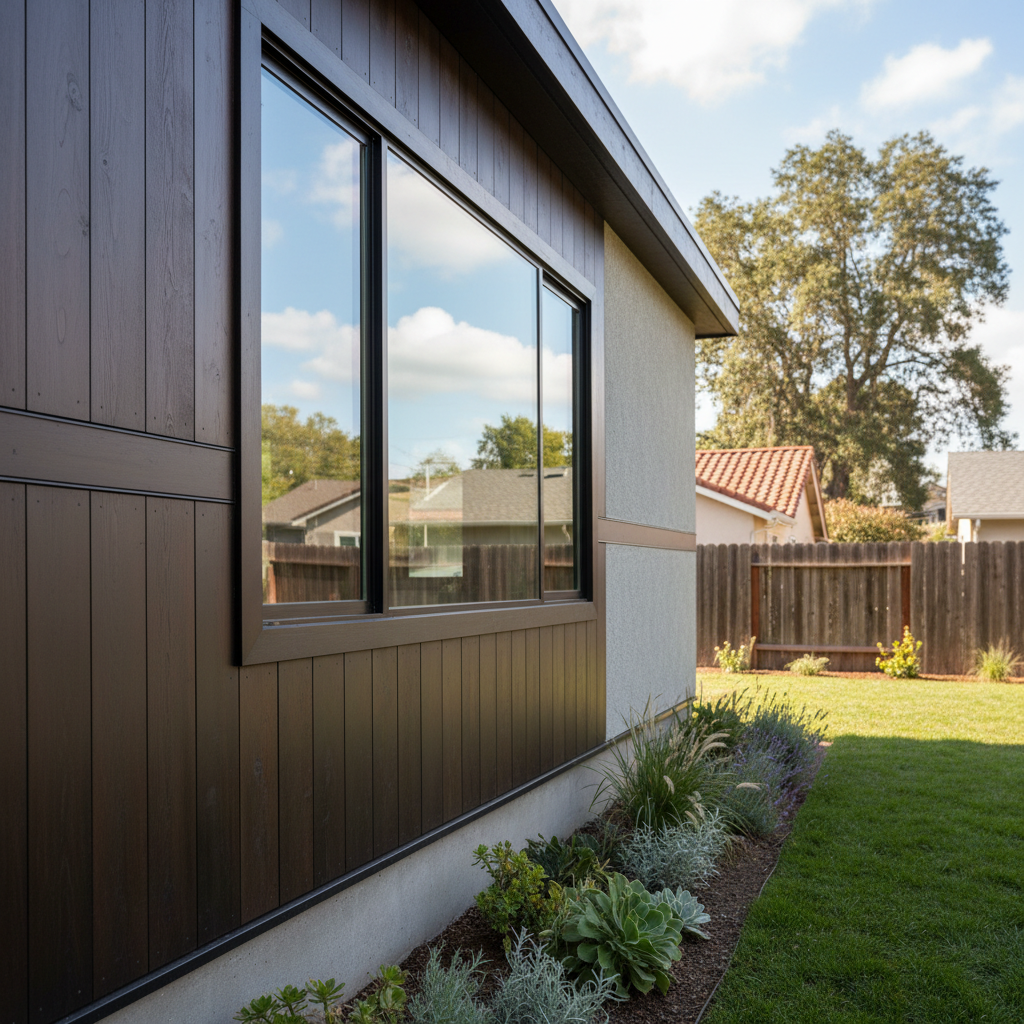
What's the real difference between a detached ADU and an attached one?
Okay, let's get this straight right off the bat. An attached ADU shares a wall with your main house, plain and simple. Think garage conversion, or maybe adding a unit right onto the side of your existing home. A detached ADU, though, is its own separate building. It stands alone, often in your backyard, completely independent of the main structure. You'll usually see these built from the ground up, but sometimes a standalone garage gets a makeover. The big upside for detached units? More privacy for everyone involved – that means you, your family, or your tenants. It also gives you a lot more flexibility in design and where you put it, assuming your lot size and setbacks allow for it. For example, if you've got a big backyard in Old Palo Alto, you've probably got way more options for a detached unit than someone with a smaller lot in Midtown.
How much space do I really need for a detached ADU?
This question comes up a lot, and it's not just about the building's footprint. You've got to consider setbacks – those are the minimum distances your ADU needs to be from your property lines. In Palo Alto, the standard is usually 4 feet from the side and rear property lines. But always, always double-check with the city planning department, because rules can change, and specific zoning might have different requirements. Beyond setbacks, you'll need enough space for construction access, utility connections, and some usable outdoor space around the ADU. You don't want it feeling cramped, do you? A good rule of thumb is to have a lot big enough to comfortably fit the ADU without it dominating your yard or making your main house feel too close. We've helped folks put 800 sq ft units on some pretty standard Palo Alto lots, but it always comes down to the specific property.
Can I build a two-story detached ADU?
Generally, yes, you can build a two-story detached ADU in Palo Alto. But there are definitely limits and things to think about. The city has height restrictions, typically around 16 feet for an ADU, though that can vary based on your zoning and specific circumstances. A two-story unit can be a great way to get more living space on a smaller footprint, especially if you want to keep more of your yard. You'll need to consider how it impacts your neighbors' privacy and views, and how it fits with the overall character of your property. We always recommend getting a good design that respects those considerations. It's not just about what's allowed, but what makes sense for your property and your neighborhood.
What are the biggest challenges with building a detached ADU?
From my experience, the biggest challenges often boil down to a few key areas. First, utilities. Getting water, sewer, gas, and electricity to a detached unit can sometimes be more complex and costlier than people expect, especially if it's far from the main house connections. Second, site access. Can we get our equipment and materials into your backyard without tearing up your landscaping or damaging your main house? This is a big deal for construction efficiency and cost. Third, unexpected soil conditions. Palo Alto can have some interesting soil, and sometimes we hit things that need more extensive foundation work. Finally, managing neighbor expectations and concerns. Even with all the permits in place, a new structure going up can sometimes cause friction, so clear communication is absolutely key.
How long does it typically take to build a detached ADU from start to finish?
This isn't a quick weekend project, that's for sure. From the initial design phase to getting your certificate of occupancy, you're usually looking at a timeline of 12 to 18 months, sometimes a bit more. The design and permitting phase alone can easily take 6-9 months in Palo Alto, depending on how complex your plans are and how busy the planning department is. Once permits are in hand, the actual construction usually runs about 4-6 months, again, depending on the size and finishes. Don't let anyone tell you it's a 6-month turnaround for the whole thing; they're probably not including the upfront work. It's a significant investment of time, but it's worth it for the long-term value.
Can I use a detached ADU for short-term rentals like Airbnb?
This is a firm 'no' in Palo Alto. The city's regulations are pretty clear on this: ADUs are intended for long-term housing. That means rentals for 30 days or more. You can't use your detached ADU for short-term vacation rentals or Airbnb. This policy is in place to help address the housing shortage and make sure ADUs contribute to the permanent housing stock. So, if your primary goal is to generate income from short-term stays, an ADU isn't the right solution for you here in Palo Alto. You'll be looking at long-term tenants, housing for family, or perhaps a dedicated home office or studio space.
What kind of return on investment can I expect from a detached ADU?
The return on investment (ROI) for a detached ADU in Palo Alto can be excellent, but it's not just about immediate cash flow. First, there's the rental income. With rents what they are here, a well-built ADU can generate significant monthly income that can help offset your mortgage or provide a steady revenue stream. Second, it adds substantial value to your property. An extra dwelling unit, especially a well-designed, detached one, is a huge asset in this market. We've seen properties with ADUs command significantly higher sale prices. Third, there's the flexibility it offers: housing for aging parents, a place for adult children, a dedicated workspace, or even a quiet retreat. That kind of flexibility has its own kind of value that's hard to put a dollar figure on. At Palo Alto ADU Solutions, we've seen firsthand how these units transform properties and lives.