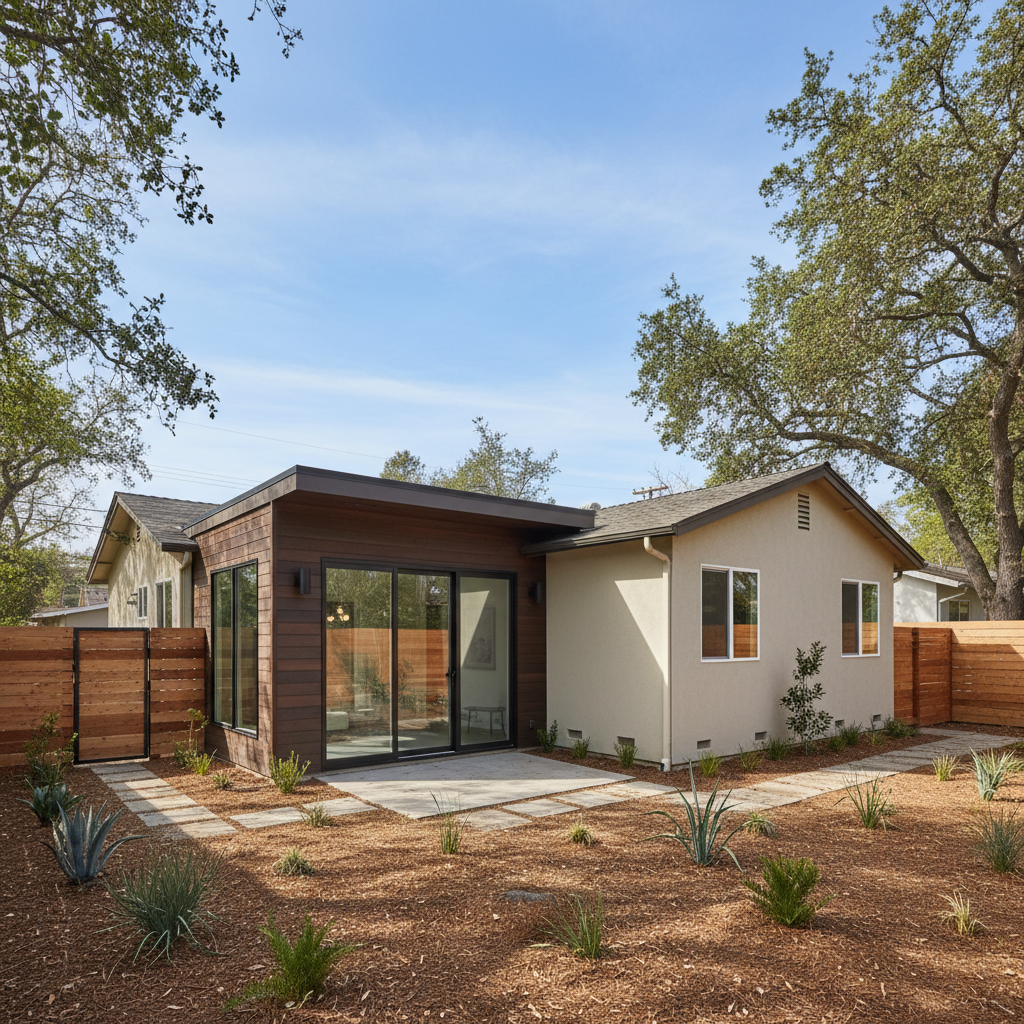
Alright, let's talk about attached ADUs right here in Palo Alto. You're probably looking to add some value, maybe get some extra living space, or even bring in a little rental income. That's a really smart move, if you ask me. But before you dive in, you've got to get a handle on how our unique local weather affects everything – from when you should even think about breaking ground to keeping that new space in tip-top shape all year long.
I've been building around here for years, and believe me, I’ve seen it all. The Bay Area's Mediterranean climate means we get mild, wet winters and warm, dry summers. Sounds pretty nice, doesn't it? For the most part, it is, but those seasonal shifts mean we really need to be strategic about how we build and how we maintain things afterward.
Timing Your Attached ADU Build: When to Schedule
So, when's the best time to build? For most projects, especially ones with a lot of exterior work like an attached ADU, you're looking at a sweet spot from late spring through early fall—roughly April through October. Why then, you ask?
- Dry Conditions: Our summers are long, dry, and mostly clear. This is absolutely huge for foundations, framing, and all those exterior finishes. You certainly don't want rain messing up your concrete cure or soaking your lumber. February, for example, is usually our wettest month, with about 3.7 inches of rain on average. Trying to build a new structure right next to your home during the peak of winter rains can really slow things down and cause a lot of headaches.
- Warmer Temps: Palo Alto doesn't often get extreme heat, but the warmer months from June to October, with average highs in the 70s, are just right. This helps materials cure correctly and keeps our crews comfortable while they work.
- Longer Days: More daylight hours mean more productive time on the job. That can definitely help keep your project moving along on schedule.
Now, can you build in winter? Sure, it's possible, especially for interior work once the shell is up. But for those initial stages—excavation, foundation, framing—winter brings challenges. Wet soil can turn excavation into a muddy mess, and cold, damp conditions really slow down concrete curing. On the flip side, if you're trying to get a permit, sometimes the off-season in fall or winter can actually mean faster processing times because there's less demand. Go figure.
Weather Conditions That Affect the Work
Let's get down to specifics about what our Palo Alto weather really means for your attached ADU project.
-
Rain: This is the big one for us. Our rainy season usually runs from October through May, with February typically being the wettest. Heavy rains can stop exterior work dead in its tracks, delay inspections, and create muddy, unsafe conditions on site. When we're tying into your existing home's foundation and framing, we absolutely need dry conditions to make sure everything seals properly and the structure is sound. We're always glued to the forecast, especially with those atmospheric rivers we've seen lately.
-
Heat: Our summers are generally mild compared to other parts of California, but we definitely get heat waves. Temperatures can hit 90°F or higher about 12 days a year. Extreme heat can mess with concrete curing, make roofing work tough, and it's a serious safety concern for our crews. We take precautions, of course, like providing plenty of water, scheduling strenuous work for the cooler parts of the day, and making sure there are shaded rest areas.
-
Fog: Palo Alto gets its share of coastal fog, especially in the mornings. While it's not usually a showstopper for construction, prolonged dampness from fog can affect how long it takes for paints and sealants to dry. It's just something we factor into our schedule, particularly for exterior finishes.
Protecting Your Attached ADU Investment Year-Round
Once your attached ADU is built, you'll want to keep it looking good and performing well. Here's what I recommend:
-
Fall Prep (October-November): Before the real rains hit, do a quick check. Clear gutters and downspouts on both your main house and the ADU. Make sure they're free of leaves and debris, especially if you've got a lot of oak trees around, like we do in many Palo Alto neighborhoods. Look for any cracks or gaps in caulking around windows and doors, and seal them up. This is super important for an attached unit, because you want a seamless weather barrier between the old and new structures. Also, inspect your roof for any loose shingles or flashing that could be compromised by winter storms.
-
Winter Watch (December-February): Keep those gutters clear during heavy rain. If you notice any leaks or water coming in, deal with them right away. Don't let small issues snowball into big problems. Pay attention to drainage around the foundation; you need to make sure water is flowing away from the structure, not pooling. We've certainly seen homes in Palo Alto with drainage issues, and trust me, that's a headache you want to avoid.
-
Spring Clean-Up (March-May): As the weather dries out, give the exterior a good wash. Check for any moss or algae growth, especially on shaded areas of the roof or siding, and clean it off to prevent damage. Inspect exterior paint and siding for any wear and tear from the winter. If you have any landscaping around the ADU, this is a good time to prune back plants that might be too close to the building—they can trap moisture or provide pathways for pests.
-
Summer Care (June-September): Our dry summers are tough on landscaping, so if you've got plants around the ADU, make sure your irrigation is working efficiently. Consider drought-tolerant plants to save water, too. Also, check your HVAC system. Make sure filters are clean so your ADU stays cool and efficient during those warmer days. On attached ADUs, sometimes the HVAC systems are shared or closely integrated, so proper maintenance benefits both spaces. It's a win-win.
Building an attached ADU is a fantastic investment, and with a little seasonal awareness and proactive maintenance, you'll ensure it serves you well for years to come. If you're ever unsure about something, or ready to talk about getting one built right, you know who to call at Palo Alto ADU Solutions.