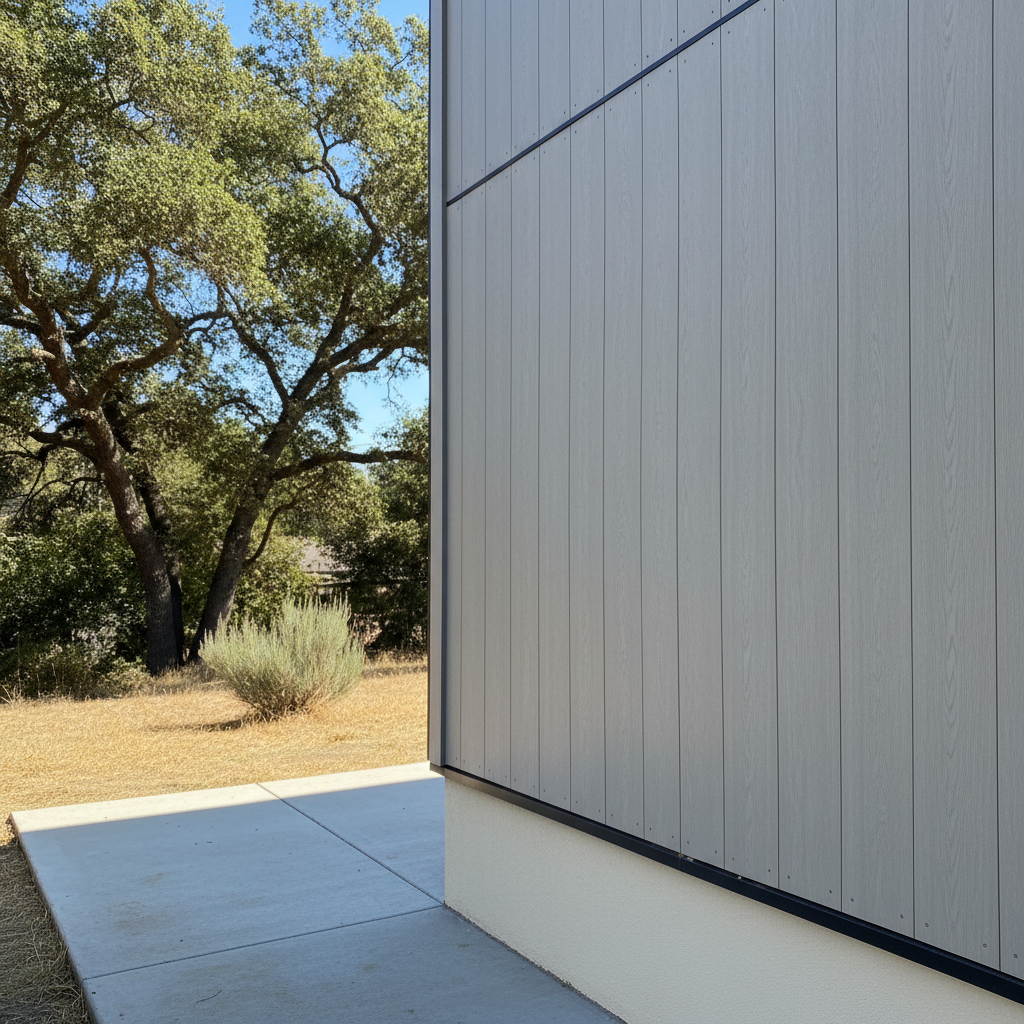
Alright, let's talk attached ADUs. I get a lot of questions from folks around Palo Alto about these, and it makes sense. They're a bit different from detached units, and people want to know what they're getting into. I've built quite a few of these over the years, from Old Palo Alto to Greenmeadow, so I've seen it all. Here are the straight answers to the questions I hear most often.
What's the biggest benefit of an attached ADU over a detached one?
Honestly, the biggest benefit for most homeowners usually comes down to cost and convenience. You're already sharing a wall, a roofline, sometimes even plumbing or electrical runs with your main house, right? That cuts down on excavation, foundation work, and running new utilities from scratch. It's usually a faster build, too, because you're integrating with an existing structure rather than building a completely separate one. Plus, for some properties, especially smaller lots common in areas like Crescent Park, an attached ADU might be the only way to meet setback requirements without eating up your entire yard.
How much space do I really need for an attached ADU?
This is where it gets interesting, because 'attached' can mean a few different things. You might be converting an existing garage, adding onto the side or back of your house, or even building above an existing structure like a garage. For a conversion, say a two-car garage, you're usually looking at around 400-450 square feet already, which is perfect for a studio or a small one-bedroom. If you're adding on, you'll need at least 150 square feet to make it functional, but most people aim for 400-800 square feet to get a decent living space. The city allows up to 1,200 square feet or 50% of the primary dwelling's size, whichever is less. But remember, the smaller you go, the more clever you need to be with the layout. I always tell clients, don't just think about square footage, think about usable space and flow.
Will an attached ADU affect my main home's privacy or noise levels?
It certainly can, if you don't plan it right. This is a big one for a lot of people, especially if they're renting it out. The key is good design and proper soundproofing. We always recommend robust insulation in shared walls and ceilings – think Roxul or similar sound-dampening materials – and using solid core doors. Sometimes, even offsetting electrical outlets so they're not directly back-to-back can make a difference. Think about window placement too; you don't want your ADU tenant looking directly into your kitchen. With smart design, you can maintain plenty of privacy for both dwellings. It's all about anticipating these issues upfront.
Do attached ADUs always require a separate entrance?
Yes, pretty much always. The whole point of an ADU, whether attached or detached, is that it's an independent living unit. That means it needs its own entrance, kitchen, bathroom, and sleeping area. You can't just slap a lock on a bedroom door inside your house and call it an ADU. A separate entrance is crucial for code compliance and for the ADU to function as its own dwelling. It doesn't have to be a grand entrance, but it needs to be clearly distinct and accessible from the outside.
What are the biggest challenges with converting an existing space like a garage?
Converting a garage is popular, but it's not always as simple as it looks. The biggest hurdles I see are usually: 1) The foundation. Garage slabs often aren't built to residential living standards for insulation or moisture barriers, so you might need to upgrade or even pour a new slab. 2) Ceiling height. Older garages can have lower ceilings, which might not meet current code for habitable space. 3) Utilities. You'll need to run new plumbing for a kitchen and bathroom, and often upgrade electrical service. 4) Windows and light. Garages typically have minimal windows, so you'll need to cut new openings to bring in natural light and meet egress requirements. It's definitely doable, but it's rarely just a cosmetic facelift. That's where a company like Palo Alto ADU Solutions comes in handy; we know these challenges inside and out.
Can I really use my attached ADU for short-term rentals like Airbnb?
This is a common question, and the answer for Palo Alto is a pretty clear 'no' for most situations. The city's rules are quite strict on this. ADUs are generally intended for long-term housing, meaning rentals of 30 days or more. There are very limited exceptions for short-term rentals, usually only if the ADU is occupied by the property owner and rented out for brief periods while they are away. Don't build an ADU expecting to make a killing on Airbnb; you'll likely run into trouble with the city. Plan for a long-term tenant or use it for family.
How does an attached ADU impact property taxes?
Adding an ADU, whether attached or detached, is considered new construction or a substantial improvement, so it will trigger a reassessment of your property. However, California's Proposition 13 limits how much your property's assessed value can increase each year. When you add an ADU, only the value of the new construction is typically reassessed, not your entire property. So, your property taxes will go up, but it'll be proportional to the value added by the ADU, not a full reassessment of your entire home's value based on current market rates. It's a common concern, but usually, the long-term benefits of the ADU outweigh the tax increase.
What's the best way to heat and cool an attached ADU?
You've got a few good options here. Sometimes, if the ADU is small and well-integrated, you might be able to extend your existing HVAC system from the main house, but that's not always efficient or even allowed if it's a separate dwelling unit. More often, we'll install a separate mini-split system. These are fantastic for ADUs because they're energy-efficient, provide both heating and cooling, and you can control them independently from the main house. They don't require ductwork, which saves space and simplifies installation. Radiant floor heating is another nice option, especially for smaller spaces, but it's a bigger upfront cost. We'll look at your specific layout and budget to figure out the best fit.