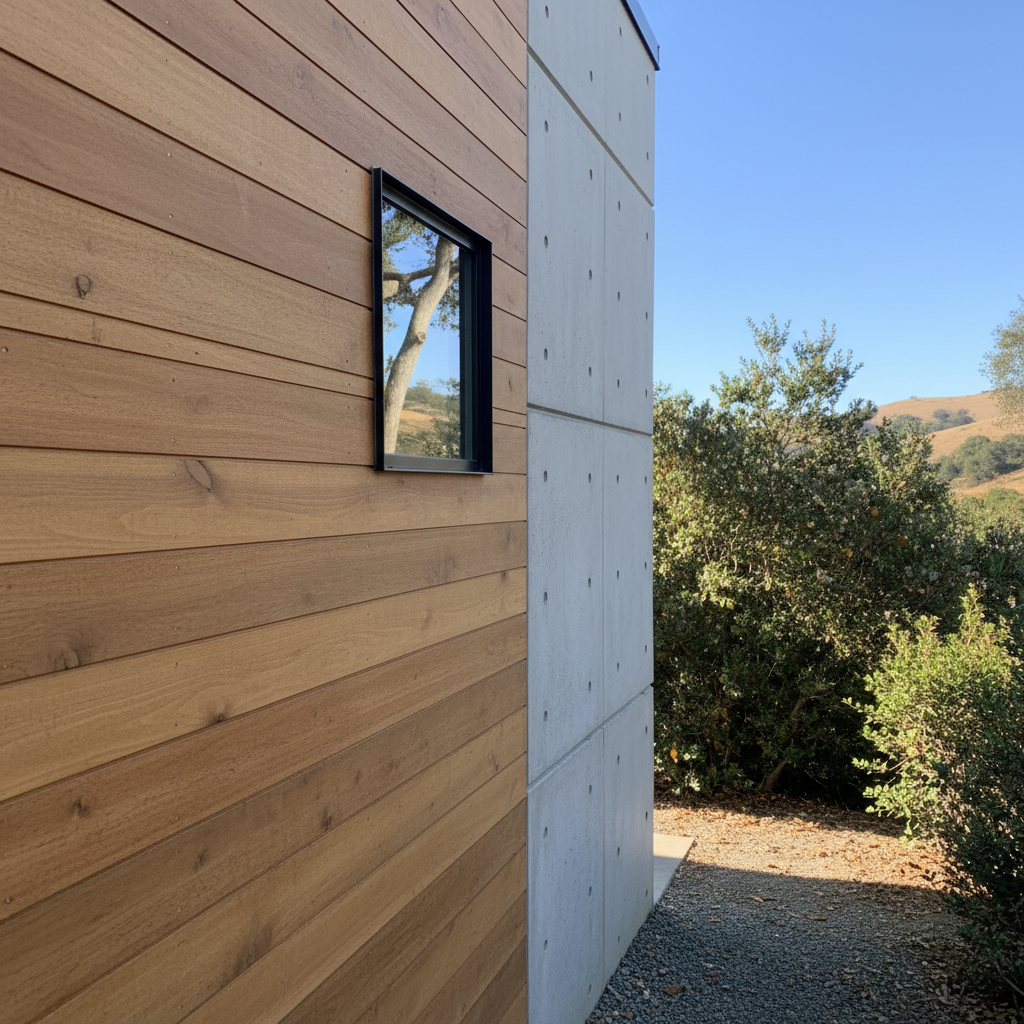
Thinking About an Attached ADU?
So, you’re considering an attached ADU, huh? That’s a smart move for a lot of Palo Alto homeowners. Whether it’s for aging parents, a grown kid who needs their own space, or just some extra rental income to help with those property taxes, an attached ADU can be a real asset. But before you grab a hammer, let’s talk about what you’re really getting into. There’s a lot you can do yourself to save some cash, but there are also critical points where you absolutely need a professional.
Before You Even Sketch a Plan
Before anything else, you need to understand the rules. Palo Alto has specific zoning ordinances for ADUs, and attached units often have different setback and size requirements than detached ones. You’ll want to check the city’s planning department website or even give them a call. Don’t assume anything. This isn’t a DIY job; this is information gathering. You’ll also need to think about your existing home’s structure. Is it a mid-century Eichler with a unique roofline, or a more traditional ranch? How will an attached ADU integrate visually and structurally?
What you can DIY:
- Initial research: Read up on Palo Alto’s ADU ordinances. Understand the maximum size, height, and setback requirements for attached units.
- Budgeting: Get a realistic idea of costs. Look at material prices, potential labor rates, and permit fees. Don’t forget contingency funds – things always cost more than you think.
- Vision & layout: Sketch out what you want. Think about the flow, the number of rooms, and how it connects to your main house. This helps you communicate your ideas later.
When to call a pro:
- Feasibility study: A good architect or contractor (like us at Palo Alto ADU Solutions) can tell you pretty quickly if your idea is even possible given your property and existing home’s structure. They’ll spot potential issues you’d never think of.
- Structural assessment: If you’re converting an existing garage or adding onto a load-bearing wall, you absolutely need an engineer to assess the structural integrity. This isn't just about safety; it’s about passing inspections.
- Preliminary design & zoning review: An architect can draw up preliminary plans that meet zoning requirements and help you navigate the initial city review process. This saves you headaches down the line.
During the Project: Permits, Plans, and Punch Lists
Once you’ve got your concept down and know it’s feasible, the real work begins. This phase is where most homeowners either save a ton of money or make costly mistakes.
What you can DIY:
- Demolition (carefully!): If you’re converting an existing space, you might be able to handle some of the interior demo – tearing out old drywall, pulling up flooring, removing non-load-bearing walls. Just be sure you know what’s behind those walls (electrical, plumbing!) and turn off utilities first.
- Material sourcing: You can shop around for finishes – flooring, cabinets, light fixtures, paint. You might find better deals or unique items than a contractor would typically use.
- Cleanup: Keeping the job site tidy is always helpful. Hauling away debris, sweeping up, and organizing materials can save a few bucks on labor.
- Painting & finishing touches: Once the heavy lifting is done and inspections are passed, you can often do the interior painting, install trim, or put up shelves.
When to call a pro:
- Architectural plans & engineering: This is non-negotiable. You need stamped plans from licensed professionals to get permits. Trying to draw these yourself is a recipe for disaster and rejection.
- Permit application & management: While you can submit permits yourself, a contractor or architect who regularly deals with Palo Alto’s building department knows the ropes, what they look for, and how to avoid common delays.
- Foundation work: Whether it’s a new slab or underpinning an existing one, this is critical. Get it wrong, and you’ll have settlement issues for years. Especially with our expansive clay soils around here, proper foundation work is paramount.
- Framing, roofing, and exterior envelope: These are structural elements that need to be done right for safety, weatherproofing, and longevity. You don’t want leaks or structural failures.
- Plumbing, electrical, and HVAC: These systems require licensed professionals. Incorrect wiring can cause fires, and bad plumbing can lead to leaks and mold. Plus, they need to pass strict inspections.
- Insulation & drywall installation: While you *could* do drywall, getting it perfectly smooth and ready for paint is an art form. Pros are much faster and better.
- Any work requiring specialized tools or expertise: Think about things like installing custom cabinetry, complex tile work, or specialized flooring.
After It’s Built: The Final Steps
You’ve got your beautiful new attached ADU! But you’re not quite done yet.
What you can DIY:
- Landscaping around the ADU: Planting shrubs, laying down pathways, or setting up a small patio.
- Furnishing & decorating: This is the fun part! Making the space feel like home.
- Marketing (if renting): Taking photos, writing descriptions, and listing your unit.
When to call a pro:
- Final inspections: Your contractor will coordinate these. You need all final sign-offs from the city to get your Certificate of Occupancy.
- Appraisal (if refinancing or selling): A professional appraiser will assess the new value of your property with the ADU.
- Lease agreements (if renting): A lawyer or property management company can help draft a solid lease that protects you.
Look, building an attached ADU is a big undertaking. It’s exciting, and it can add a ton of value and utility to your home. Just be smart about where you roll up your sleeves and where you bring in the experts. You wouldn’t try to perform surgery on yourself, right? Treat your home’s structure with the same respect. If you’re in Palo Alto and thinking about an attached ADU, give us a call at Palo Alto ADU Solutions. We’re happy to chat through your ideas and help you figure out the best path forward.